
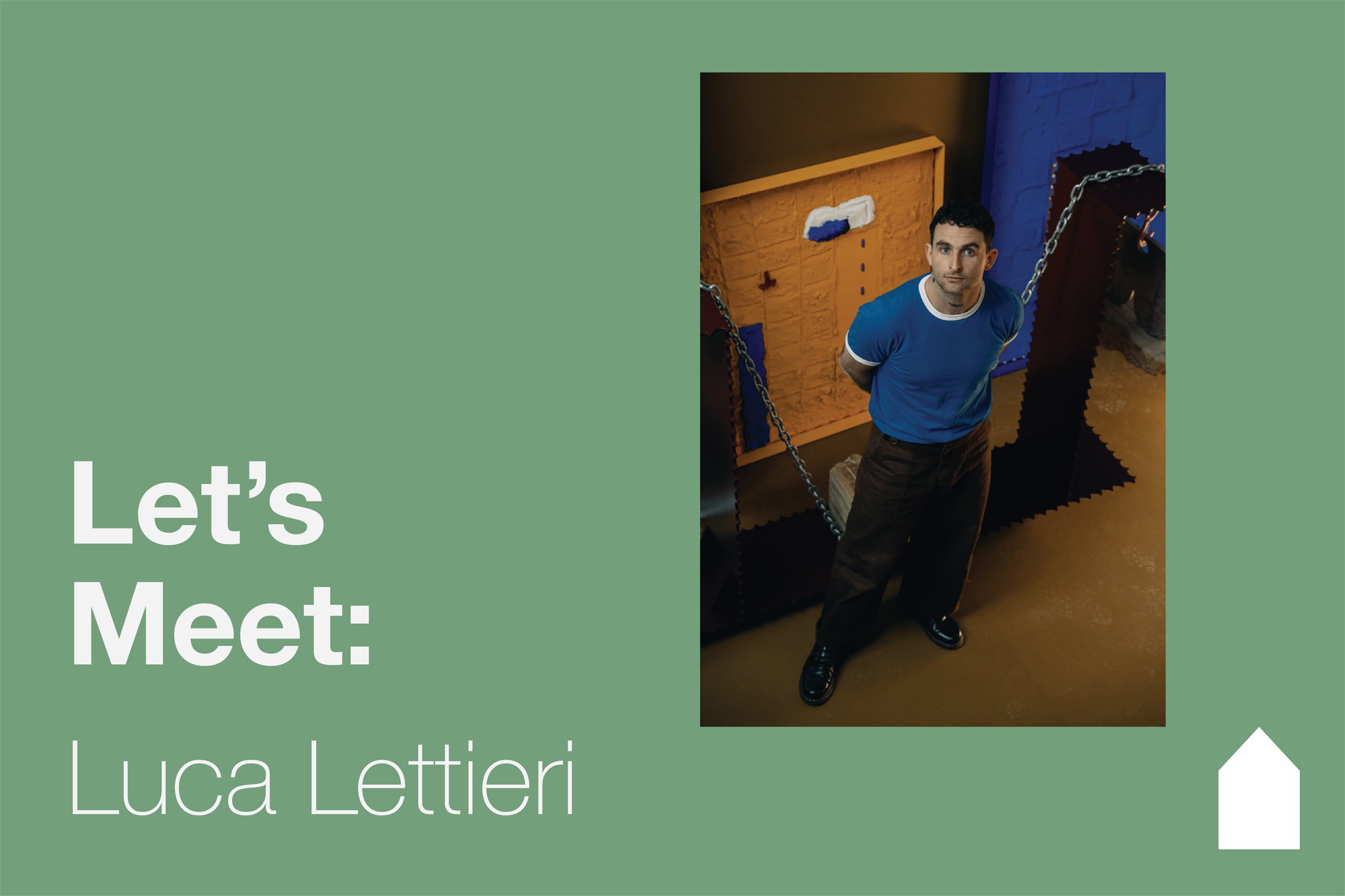
Image: Luca Lettieri, photo: Jonathan VDK.
Luca Lettieri is a multidisciplinary Australian artist based on Peramangk Country (Strathalbyn, South Australia). Working across sculpture, painting and design, his practice explores the intersection of art, craftsmanship and material experimentation, drawing on Southern Italian folk traditions, architecture and industrial processes. Trained in fine furniture making at Sturt School for Wood (2017) and a JamFactory Furniture Associate (2018-2019), Lettieri further developed his practice through the Italian Australian Foundation Fellowship, undertaking research into traditional craft practices in Europe.
How would you describe your practice in five words?
Intuitive, tactile, personal, experimental, bold.
Where does the creative process begin for you?
The creative process almost always begins with colour. I’m drawn to the bold palettes of Southern Italian folk art, particularly the unapologetic use of primary and secondary colours. I find a similar visual language in the built environment – in crane shackles and lifting slings, pump rooms, industrial machinery and infrastructure, where colour is applied for safety or function, yet often produces unexpected and compelling combinations. Developing colour palette samples is an important part of my process. I enjoy testing unconventional pairings and allowing those relationships to guide the work. Those palettes become the framework for exploring form, material and composition long before the final object is resolved.
Is there a historical creative lineage you draw from?
Yes. My practice draws strongly from the traditions of Southern Italian folk art, where everyday objects, architecture and handcrafted artefacts carry stories of place, ritual and identity. I’m interested in the ingenuity of vernacular making – objects created with limited means but deep material knowledge – and how these traditions balance utility with beauty. Rather than replicating historical forms, I see this lineage as a framework for thinking about material, process and craftsmanship. It informs the way I work, encouraging an intuitive approach to making while acknowledging the cultural histories and inherited knowledge embedded within handmade objects.
What does the South Australian arts ecology mean to you?
The South Australian arts ecology has been instrumental to my development as an artist. Moving to Adelaide marked the beginning of my formal exhibition practice, introducing me to a connected community of artists, makers, galleries and institutions. Through JamFactory and the broader arts sector, I gained access to mentorship, professional networks and opportunities that helped shape my practice. The South Australian Government’s ongoing investment in the arts has also been invaluable, providing funding that enables artists to take creative risks and build sustainable careers. It is a generous and collaborative arts community that continues to support ambitious creative practice.
What are your creative aspirations for the future?
Looking ahead, I’d like to expand the scale and ambition of my practice by creating immersive installations that invite audiences to experience the work physically as well as visually. Working with major public institutions is an important aspiration, providing opportunities to realise projects that couldn’t exist within a traditional gallery setting. I’m interested in developing large-scale works that bring together sculpture, colour and space while continuing to explore craftsmanship, material and the built environment. I also hope to pursue more public art commissions and international projects that broaden the reach of my practice while fostering new collaborations and cultural exchange. Ultimately, I want to create work that engages wider audiences without losing the intimacy, curiosity and integrity of the making process.
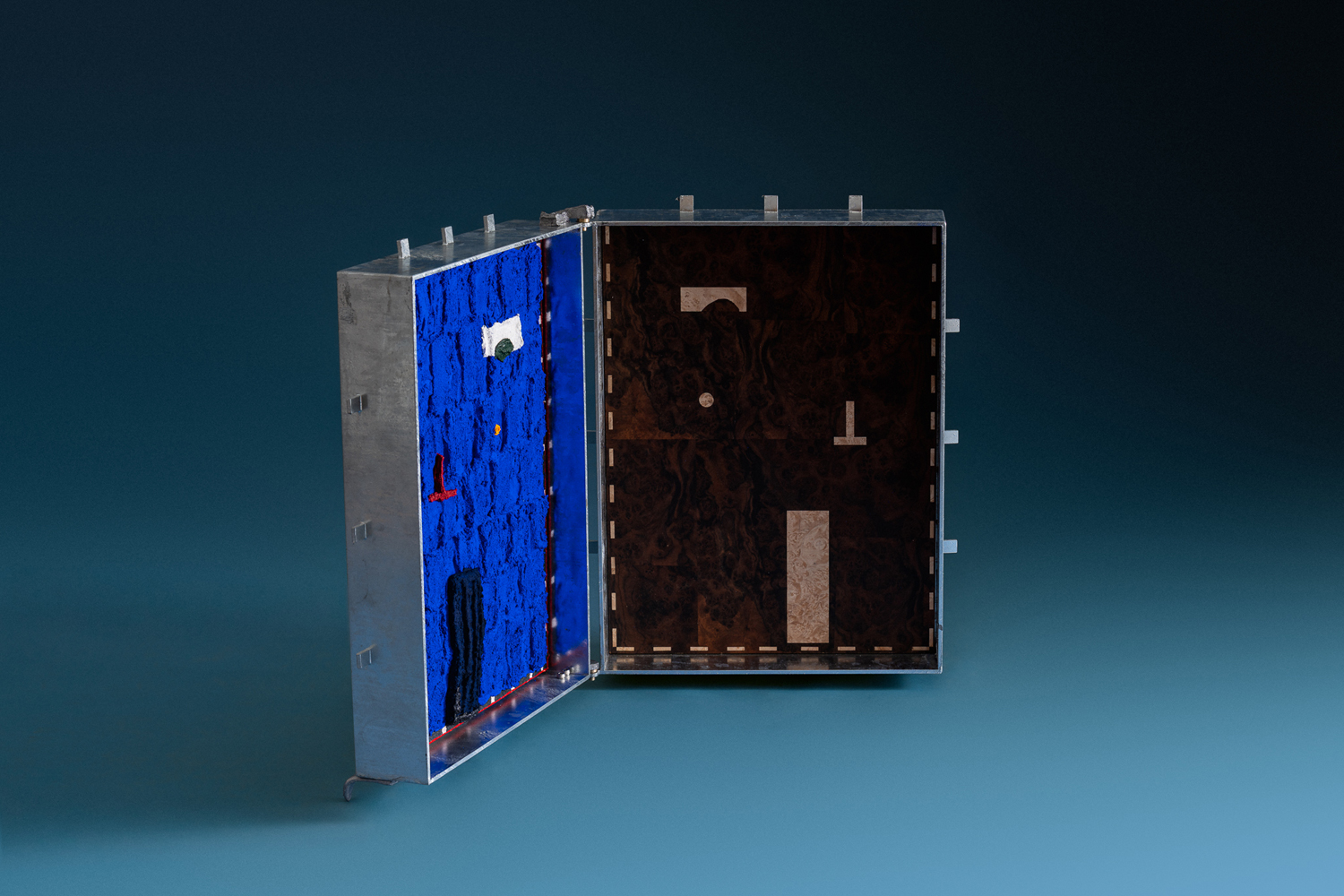
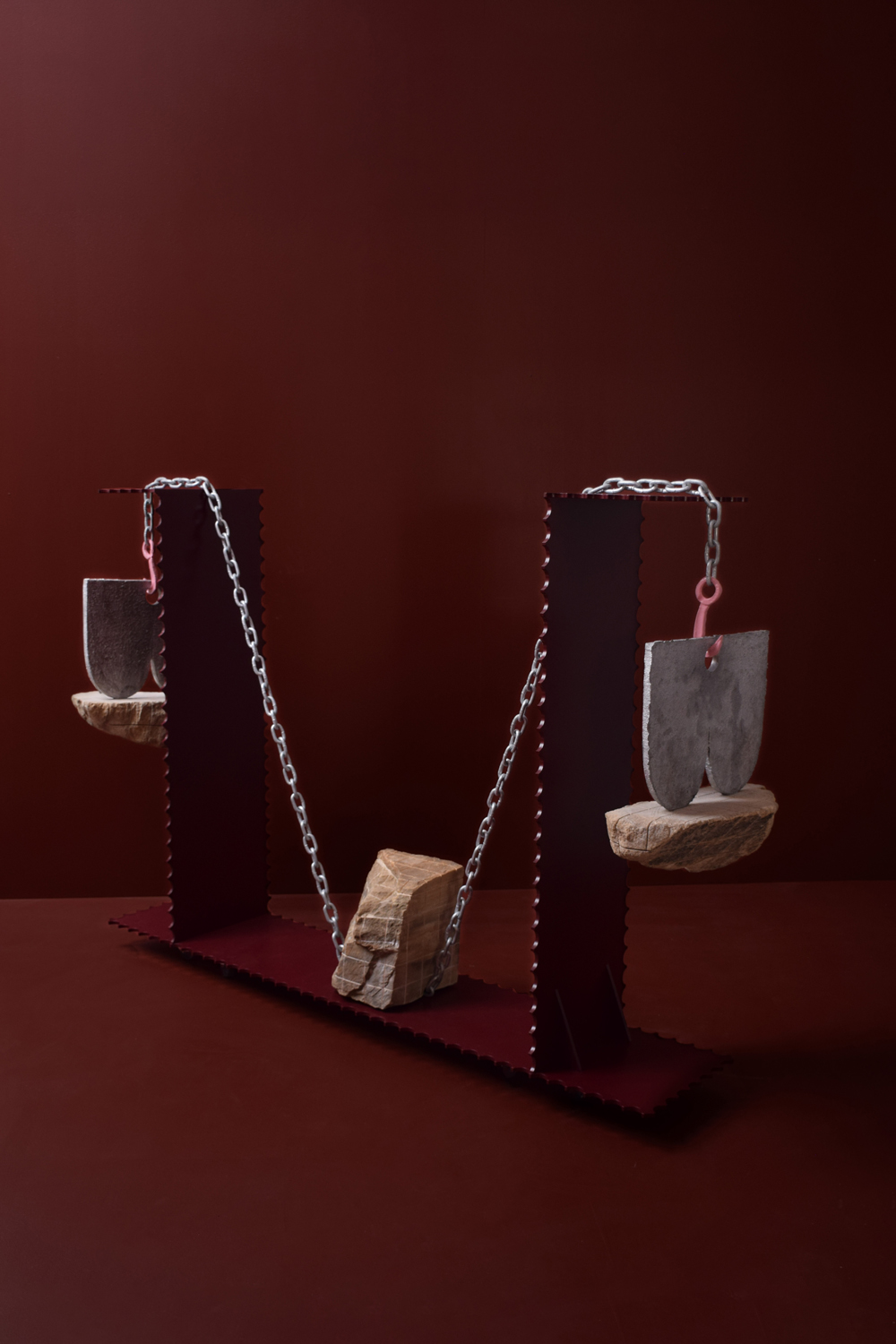
Images: Luca Lettieri, Father & sons cabinet, photo: Connor Patterson.
Luca Lettieri, In each the trace to each, photo: Kerryn Levy.