
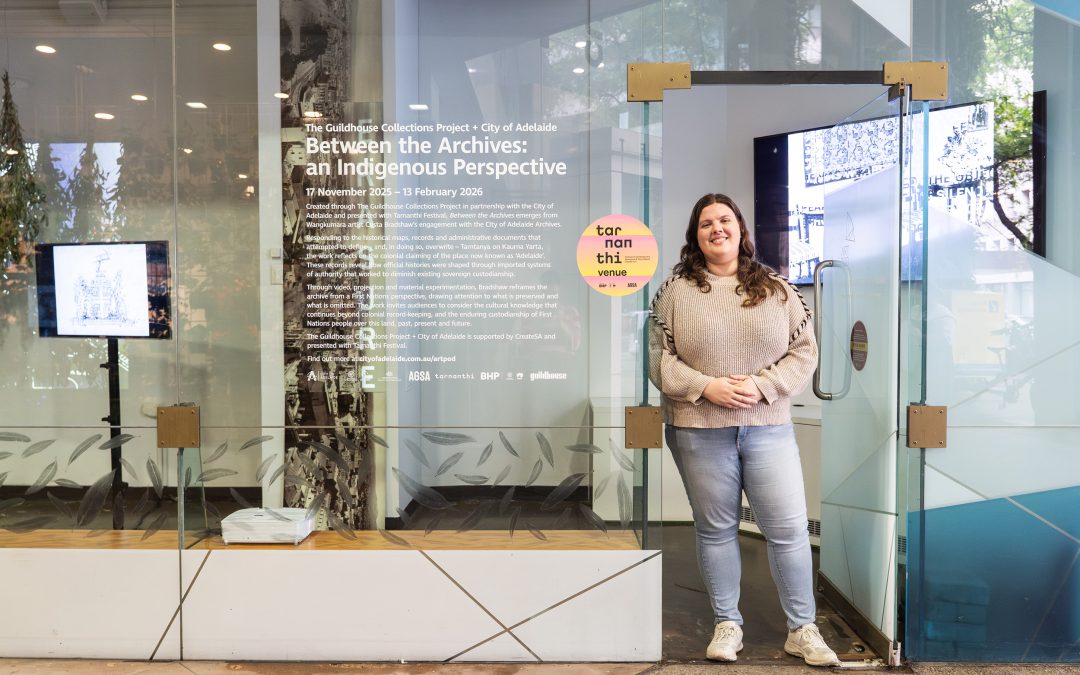
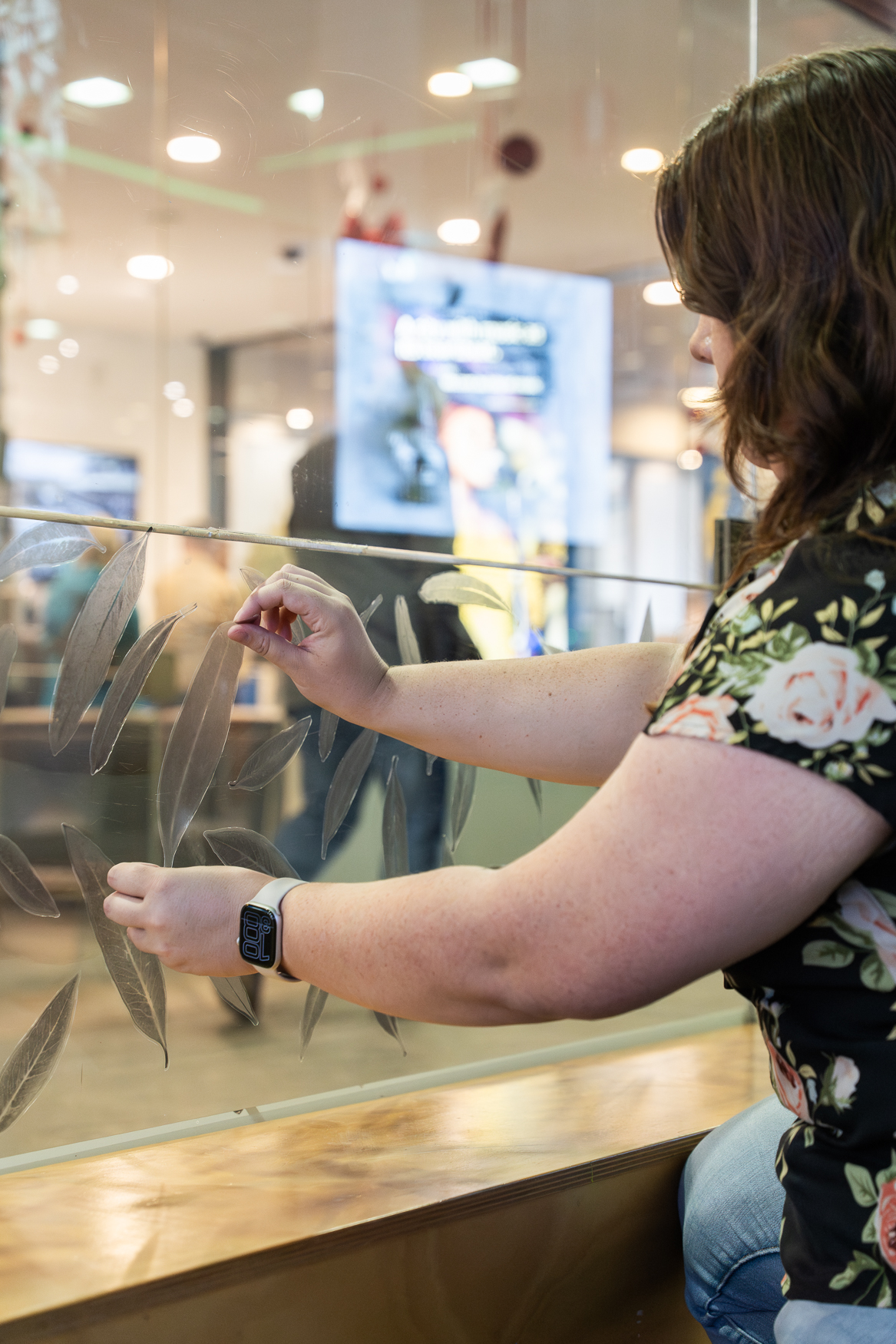
Image: Crista Bradshaw, Between the Archives: an Indigenous Perspective, installation view City of Adelaide ART POD, photo Lana Adams
The Guildhouse Collections Project
Crista Bradshaw
Between the Archives: an Indigenous Perspective
Presented in partnership with the City of Adelaide
17 November 2025 — 15 February 2026
ART POD | City of Adelaide
Created through The Guildhouse Collections Project in partnership with the City of Adelaide and presented with Tarnanthi Festival, Between the Archives emerges from Wangkumara artist Crista Bradshaw’s engagement with the City of Adelaide Archives.
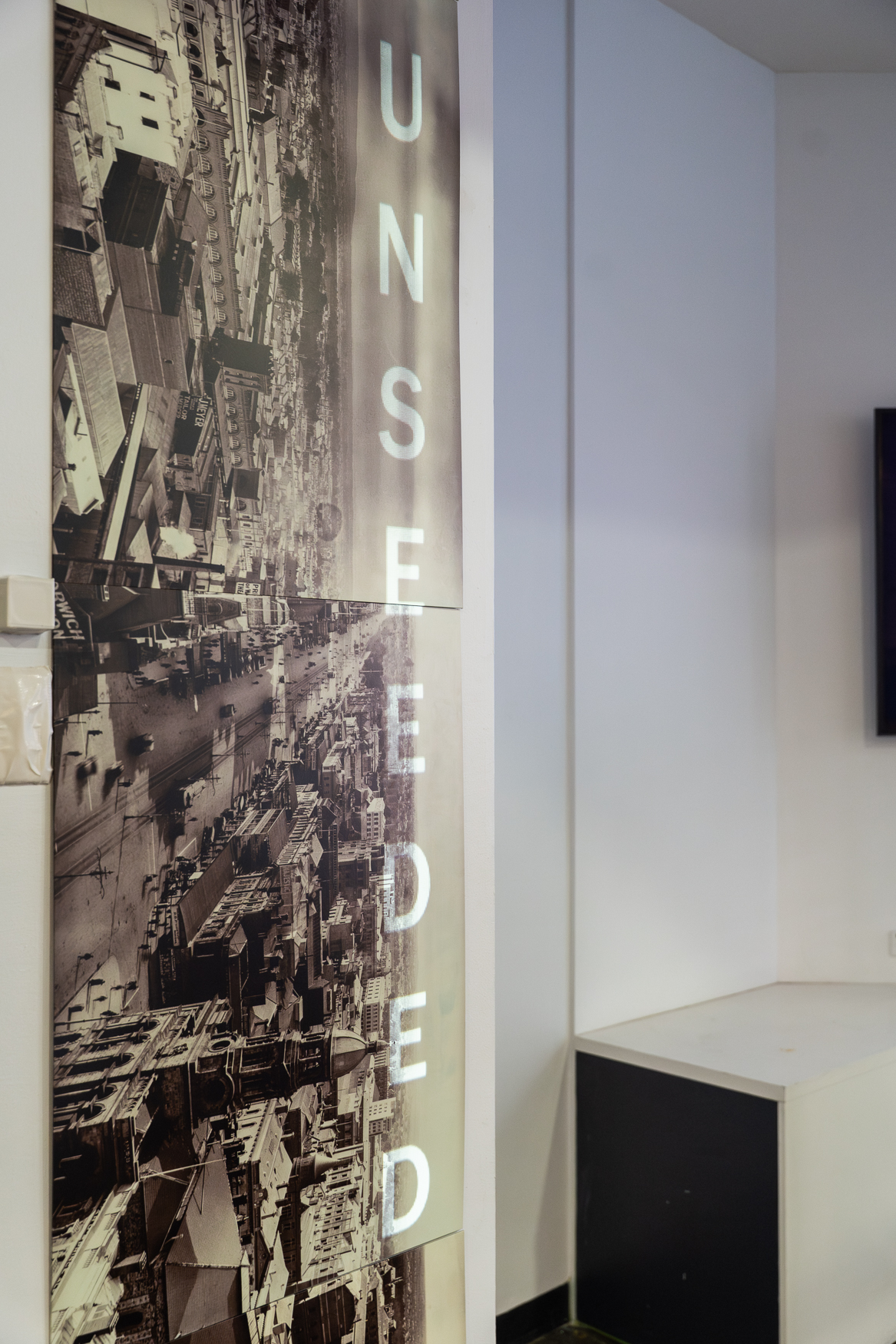
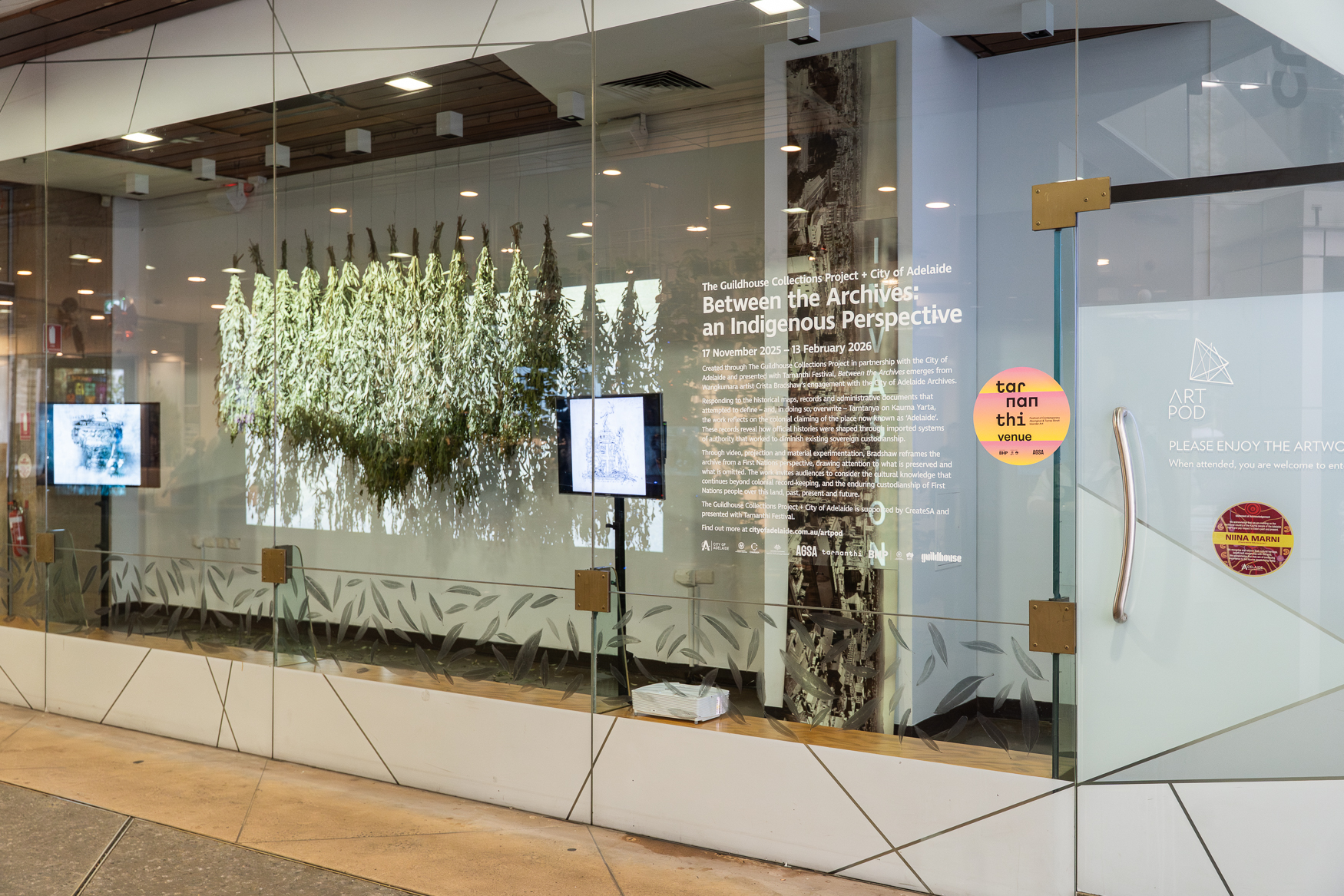
Responding to the historical maps, records and administrative documents that attempted to define — and, in doing so, overwrite — Tarntanya on Kaurna Yarta, the work reflects on the colonial claiming of the place now known as “Adelaide.” These records reveal how official histories were shaped through imported systems of authority that worked to diminish existing sovereign custodianship.
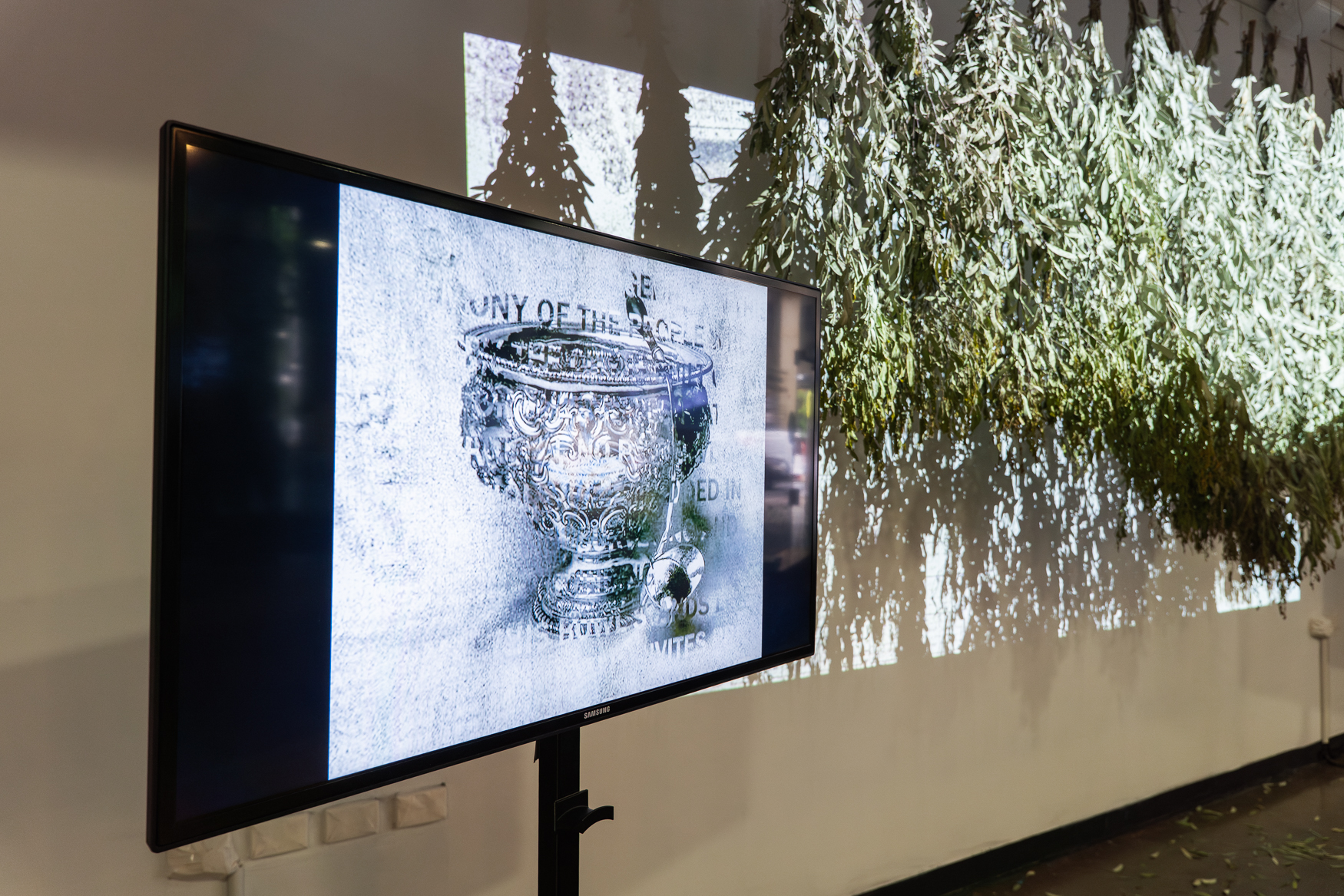
Through video, projection and material experimentation, Bradshaw reframes the archive from a First Nations perspective, drawing attention to what is preserved and what is omitted. The work invites audiences to consider the cultural knowledge that continues beyond colonial record-keeping, and the enduring custodianship of First Nations people over this land, past, present and future.
The Guildhouse Collections Project with the City of Adelaide is supported by CreateSA and presented with Tarnanthi Festival.
Take 5 with Crista Bradshaw and City of Adelaide
Which five words best describe your project?
Reframing. Unsettling. Sovereign. Authority. Enduring.
What was the most unexpected thing you came across while exploring the City Archives?
The most unexpected thing was realising how strongly the archive presents Adelaide as a tidy, well-planned colonial story. So many records and objects repeated the same narrative of a city built with purpose and order. What stood out most, though, were the quiet gaps, the things that weren’t recorded. Those omissions felt just as telling as the documents themselves. Seeing the city described so completely without any First Nations presence made me think more deeply about how history is shaped, and how much sits beyond the official version.
What do you hope people will feel or think about when they see your ART POD project?
I hope people walk away seeing Adelaide differently, not as a city built on clean narratives and civic pride, but as a place layered with unresolved histories. The work invites viewers to notice what sits beneath the surface: the unspoken, the unnamed, the parts of this place that were overwritten. My goal is for people to feel the quiet tension between colonial records and Indigenous memory, and to understand that the city and the archives look different when seen through a First Nations perspective.
How has your relationship to the city changed through the process of creating this work?
This project has shifted the way I read the city. Streets, plaques, buildings – things I once walked past without thinking – now feel loaded with intention. The more I learned, the more I saw how Adelaide was shaped by acts of claiming, naming, and ordering. Working through the archives made the city less like a fixed map and more like a contested narrative. Now, I move through it with a different awareness, seeing both the colonial imprint and the deeper, older presence that continues beneath it.
Which other Tarnanthi projects would you recommend people seek out this year?
Aside from the powerful retrospective Too Deadly: Ten Years of Tarnanthi , I would recommend Rewriting Landscapes at ACE Gallery and Purkarari: Slow Down at Adelaide Town Hall. Rewriting Landscapes resonates closely with my own project in the way it reimagines place, mapping and Country, offering alternative perspectives on how landscapes are framed, named and understood, much like how my work interrogates the archive and the shaping of urban memory in Adelaide. Purkarari: Slow Down brings a quieter, more contemplative energy, inviting audiences to pause, listen and sit with place. Its emphasis on slowing down mirrors the attentive, close-reading process I’ve brought to my archival research, and its reflective approach to Country aligns with the emotional core of my Between the Archives: an Indigenous Perspective.
Take 5 with Crista Bradshaw by City of Adelaide.
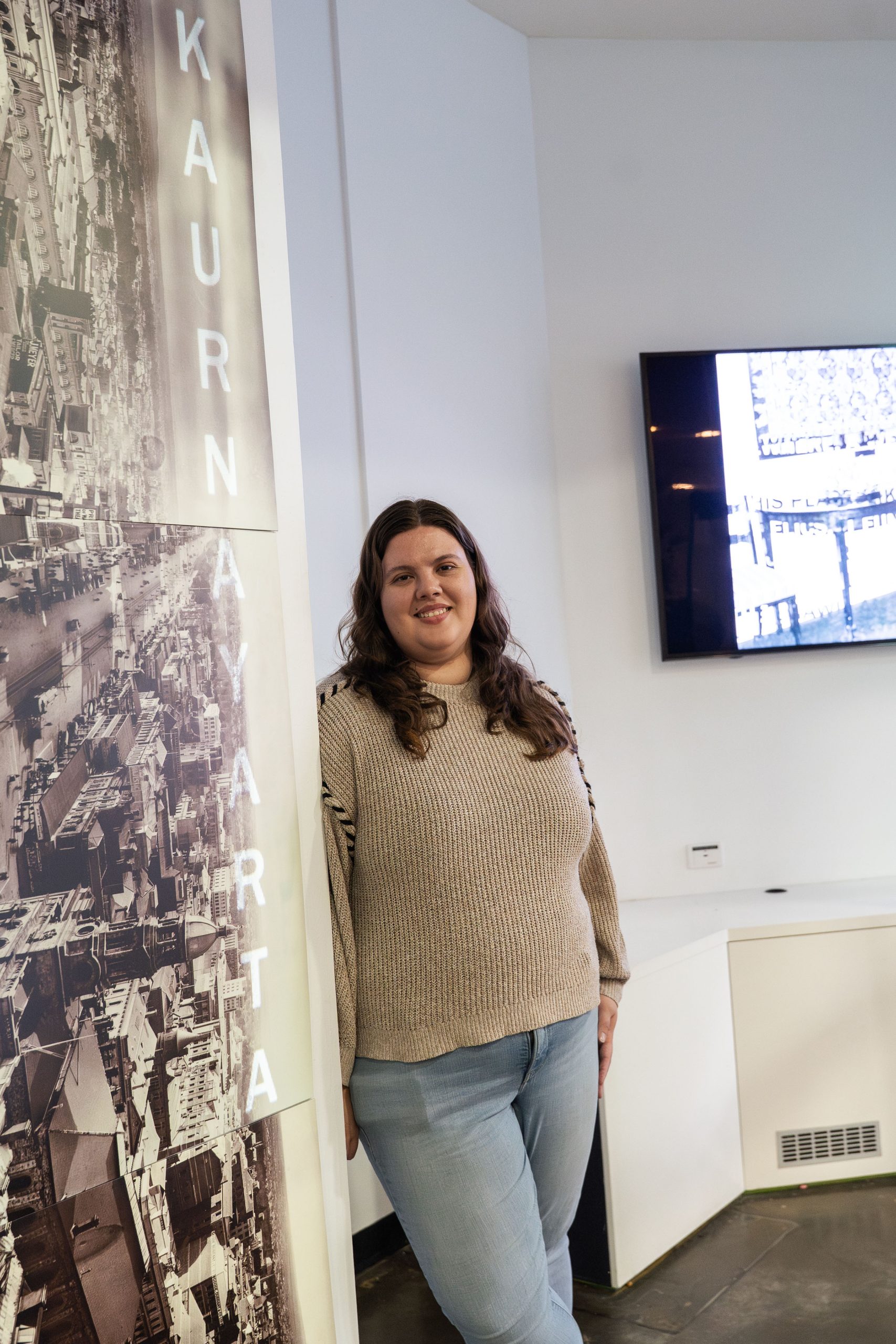
Crista Bradshaw, photo Lana Adams
Crista Bradshaw is a proud Wangkumara contemporary artist based in Adelaide, South Australia. Disconnected from her heritage growing up, her practice is rooted in a process of cultural reconnection after discovering the impact of colonisation on her family’s ties to their Mob.
Working across expanded painting, sculpture, installation, and text-based media, Bradshaw explores the convergence of First Nations and Western identities. Her research-led practice draws on the Dreaming, archival material, and site visits to Country, using an Indigenist methodology to address the silences left by colonial violence.
She recently completed a First Class Honours degree in Creative Arts at the University of South Australia, receiving a University Medal and the UniSA Creative Graduate Exhibition Prize.
She has exhibited widely across South Australia. Her work has featured in Stories (2017) at the Kerry Packer Civic Gallery, A Quarter Turn Around the Sun (2020) at the SASA Gallery, Epoch (2021) at UniSA, and Yawara muku nura (language graveyard) (2023) at the Helpmann Graduate Exhibition at ACE Gallery, where she received the SALA Award. She has also exhibited at The Mill’s, Still Self (2023), in the group show Limen (2024), and in the solo online exhibition gawa nali yanta-ra nanta nura-anani (come on, we’ll go to my camp). Most recently, she presented her solo exhibition Yuru Walbiri-ana: Only Shadow at the Burra Regional Art Gallery.
The Guildhouse Collections Project + City of Adelaide
The Guildhouse and City of Adelaide initiative provides a paid opportunity for an Aboriginal or Torres Strait Islander artist to research and respond to the City of Adelaide’s extensive cultural collections, creating new work for presentation during the 2025 Tarnanthi Festival, exhibited in the City of Adelaide’s ART POD on Pirie Street. The City of Adelaide manages several significant cultural collections including the City Archives, civic collection, public art, commemorative monuments, memorials, and a growing collection of contemporary artworks. These collections reflect the city’s cultural identity and values, past and present.
